
Regional centre
Aktobe is a major city in western Kazakhstan, closer to Russia's southern border than to Almaty.
A public medical university in Aktobe, established in 1957.
West Kazakhstan Marat Ospanov State Medical University is a public medical university in Aktobe, established on 1 September 1957 as Aktobe State Medical Institute. It is now named after Marat Ospanov.
Kazakhstan provides several medical-study choices for international students. A careful comparison should cover academics, hospital exposure, language, accommodation and the full pathway to professional registration.
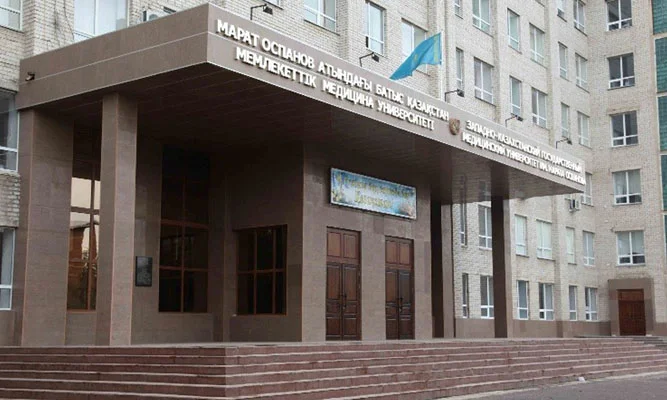
Aktobe is a major city in western Kazakhstan, closer to Russia's southern border than to Almaty.
An established base of Indian and South Asian medical students in the city.
An industrial and educational hub for Kazakhstan's western region.
A continental climate with hot summers and cold winters, varying by region.
An established Indian and South Asian student community across Kazakhstan's university cities.
Generally moderate food, transport and accommodation costs compared with many other study destinations.
Regular flight connections to India via regional hubs, supporting travel home during breaks.
A listing or accreditation reference must be checked directly for the exact programme and current intake.
Named as Rector on the university's own official website.
Source: university websiteIndian applicants must meet the prevailing National Medical Commission eligibility requirements before admission.
Confirm the current fee schedule, hostel policy and intake dates directly with the university before making any payment.
This page summarises figures from the fee sheet provided to Yodhapath for the 2026-27 intake; all figures require current written confirmation.
All amounts are shown exactly as presented in the university's fee sheet and require current written confirmation.
| Year | Tuition Fee | Hostel Fee ($) | Insurance, Visa & Documentation | Total ($) | Total (INR) |
|---|---|---|---|---|---|
| 1st Year | 2,081,160 Tenge (~$3,900) | $800-1,000 | $800 | $5,500 | ₹5,85,000 |
| 2nd Year | 2,081,160 Tenge (~$3,900) | $800-1,000 | $300 | $5,000 | ₹4,50,000 |
| 3rd Year | 2,081,160 Tenge (~$3,900) | $800-1,000 | $300 | $5,000 | ₹4,50,000 |
| 4th Year | 2,081,160 Tenge (~$3,900) | $800-1,000 | $300 | $5,000 | ₹4,50,000 |
| 5th Year | 2,081,160 Tenge (~$3,900) | $800-1,000 | $300 | $5,000 | ₹4,50,000 |
| 6th Year | 2,081,160 Tenge (~$3,900) | $800-1,000 | $300 | $5,000 | ₹4,50,000 |
| Total programme cost | $29,046 (approximately ₹28,35,000) | ||||
Tuition and hostel fees are stated as 'payable as per actual.' Food expenses: approximately $1,300 per year. The fee sheet separately notes that a $400 government hostel option is not available.
One-time charges payable in India: approximately ₹1,50,000 plus the air ticket — covering admission seat reservation, MEA apostille attestation, invitation documentation, visa charges in India, guidance across all six years, document translation, airport pickup and hostel allotment.
Yodhapath supports a structured transition, clearer cost planning and practical help so students can focus on study and career growth.
Application processing, verification, offer letter, translations, notarisation, apostille, legalisation, education-ministry and immigration support, invitations, visa assistance and document review.
Flight-booking guidance, airport pickup and transport to the university or hostel.
Assistance with timely and secure tuition-fee payments.
University hostel booking and assistance for students choosing private accommodation.
University registration, local ID and police registration, mentorship and counselling.
Degree attestation, embassy verification, residency and licensing-exam guidance, and alumni networking.
Compare the exact entry route, total cost, and Indian regulatory requirements with a Yodhapath counsellor.